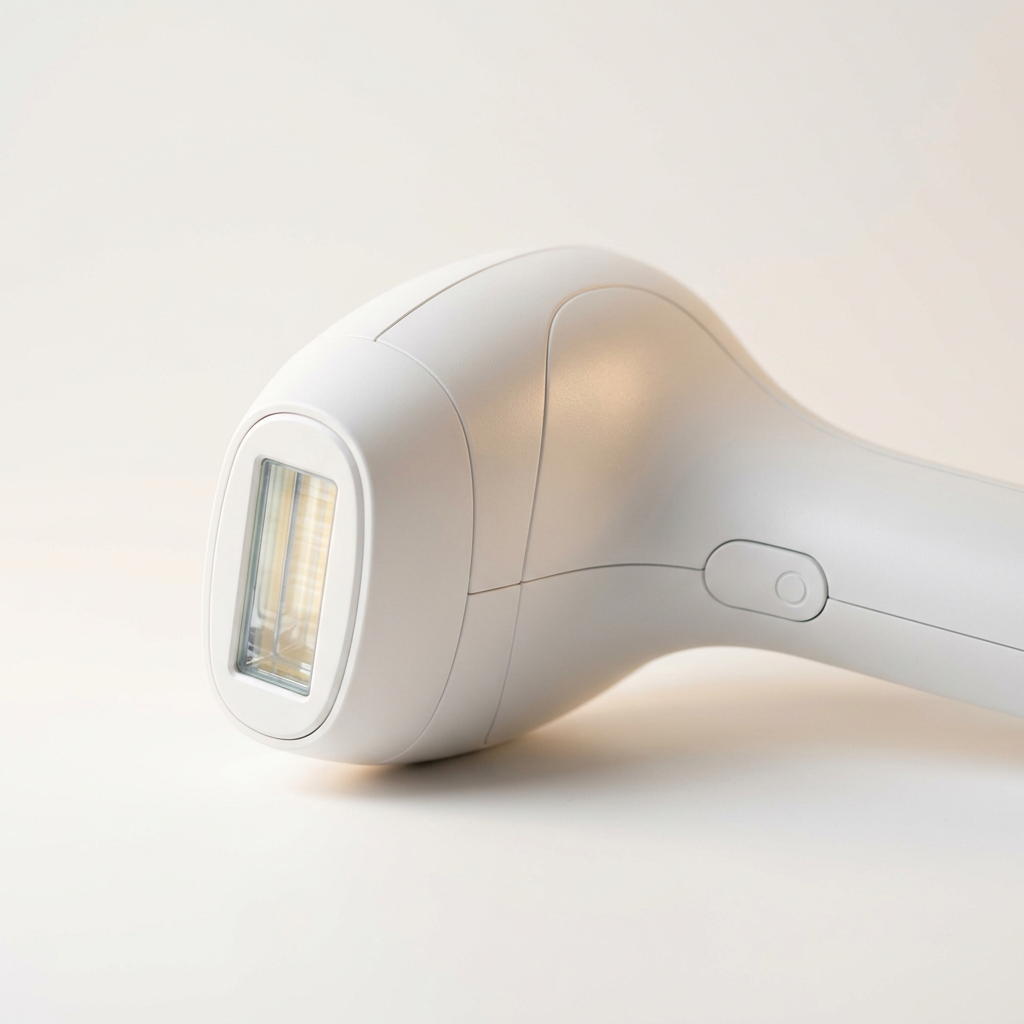
IPL
Photorejuvenation
Targeted broad-spectrum light therapy to eliminate sun spots, age spots, and hyperpigmentation — revealing clearer, more even-toned skin without downtime surgery.
Book a ConsultationWhat is IPL?
Intense Pulsed Light (IPL) — also called photorejuvenation or a photofacial — delivers precise flashes of broad-spectrum light energy into the skin. Unlike a laser, which uses a single focused wavelength, IPL emits multiple wavelengths simultaneously, allowing it to target both melanin (pigment) and haemoglobin (blood vessels) in a single treatment.
When the light pulses reach the skin, they are selectively absorbed by darker pigmented cells — sun spots, age spots, and irregular melanin deposits. The light energy converts to heat, breaking apart the pigment clusters. The body then clears the fragmented melanin naturally over the days following treatment, progressively revealing clearer, more uniform skin.
IPL also stimulates fibroblast activity and collagen production in the deeper dermis, providing an additional anti-aging benefit — improved skin texture and firmness alongside pigment correction.
515–1200nm
Broad-spectrum wavelength range targeting pigment and vessels
3–5
Typical sessions for optimal clearance of sun damage
20–30 min
Average full-face treatment time
4–6 wks
Recommended interval between sessions
What IPL Treats
IPL is most effective for pigment-related concerns and vascular irregularities. Understanding what it can — and cannot — treat is essential to realistic expectations.
Sun Spots & Age Spots
Solar lentigines — flat, darkened patches caused by cumulative UV exposure — are among the most responsive conditions to IPL. The concentrated light energy is absorbed by the excess melanin, breaking the pigment apart so the body can naturally clear it. Most spots darken briefly before lifting off as a scab, revealing clear skin beneath.
Hyperpigmentation & Post-Inflammatory Marks
Uneven skin tone from hormonal changes, past breakouts, or general discolouration responds well to IPL. By selectively targeting melanin-rich cells, IPL reduces the contrast between darker areas and the surrounding skin — creating a more even, luminous complexion over a series of treatments.
Rosacea & Diffuse Redness
IPL's haemoglobin-targeting wavelengths also address vascular irregularities — the diffuse redness, flushing, and visible capillaries associated with rosacea and general facial redness. It is one of the most effective non-invasive options for long-term redness reduction.
A Note on Melasma
Melasma is a complex, hormonally driven pigmentation condition that behaves very differently from sun damage. While IPL can produce initial improvement in melasma, it carries a real risk of rebound hyperpigmentation — where inflammation from the treatment triggers the melanocytes to produce even more pigment, leaving the skin darker than before. For this reason, we approach melasma with great caution and are transparent with clients when IPL is not the safest choice for their presentation. If you have melasma, we will likely recommend a different pathway — such as a targeted topical brightening protocol, chemical peels, or a carefully managed combination approach — and will discuss this thoroughly during your consultation.
How to Prepare
Preparation is critical for IPL safety and results. Sun exposure before treatment is the most common reason we reschedule — please read carefully.
- 1
Avoid all sun exposure and tanning for a minimum of 4 weeks before your appointment. Tanned skin increases the risk of burns and hyperpigmentation.
- 2
Discontinue self-tanners and spray tans 4 weeks prior.
- 3
Stop using retinoids and exfoliating acids (AHAs, BHAs) for 7 days before treatment.
- 4
Do not wax, bleach, or use depilatory creams on the face for 1 week before.
- 5
Arrive with completely clean skin — no makeup, SPF, or skincare products.
- 6
Inform your technician of all medications, especially any photosensitising drugs (antibiotics, acne medication, etc.).
- 7
Avoid alcohol for 24 hours before your session.
The Procedure
Skin Assessment
Your skin type, pigmentation concerns, and recent sun exposure are assessed. Photos are taken for comparison. Treatment parameters are calibrated to your Fitzpatrick skin type and the specific pigment being targeted.
Cleanse & Prep
The skin is thoroughly cleansed and any makeup, SPF, or skincare products are removed. A cool ultrasound gel is applied to the treatment area to protect the skin surface and help the device glide smoothly.
Eye Protection
Protective eyewear is placed over your eyes for the entirety of the treatment. The intense pulsed light is powerful — proper eye protection is non-negotiable.
IPL Treatment
The handheld device is pressed firmly against the skin and delivers precise pulses of broad-spectrum light across the treatment zone. Each pulse feels like a brief snap of heat — most clients describe it as a warm elastic band flick. A full face treatment takes 20–30 minutes.
Post-Treatment Cooling
A soothing, cooling gel or mask is applied immediately after to calm any redness and reduce inflammation. SPF is applied before you leave.
What to Expect After Treatment
The post-IPL process is predictable — understanding each phase ensures you're not alarmed by what is actually a sign the treatment is working.
Treated pigmented spots will appear darker and more defined immediately after treatment. This is expected and a sign the treatment is working — the melanin has absorbed the light energy and is being broken down. Do not be alarmed.
The darkened spots will form small, flat scabs — sometimes described as "coffee grounds" appearing on the skin surface. These are superficial and will lift off naturally as new skin regenerates beneath. Do not pick, peel, or scrub them — premature removal risks scarring and pigmentation.
Scabs fall away on their own to reveal fresh, lighter skin underneath. The skin will look pink and newly formed for several days — this is healthy new skin proliferating and will calm to its natural tone within 1–2 weeks.
Newly revealed skin is extremely photosensitive. SPF 50+ must be applied every morning without exception for a minimum of 4 weeks post-treatment — and ideally maintained as a daily habit year-round to protect and prolong results.
Aftercare Guide
Do
Apply SPF 50+ every morning — reapply every 2 hours if outdoors.
Use a gentle, fragrance-free cleanser and rich moisturiser only for the first week.
Let scabs fall off naturally — do not pick or peel.
Keep skin cool — use cold water, avoid steam and heat.
Stay well-hydrated to support healing.
Attend your follow-up session as planned (typically 4–6 weeks after).
Avoid
Do not expose treated skin to direct sun for 4 weeks.
Avoid retinoids, AHAs, BHAs, and active ingredients for 1 week post-treatment.
No exfoliation or physical scrubs until all scabbing has resolved.
Avoid saunas, hot showers, and intense exercise for 48 hours.
Do not apply makeup over scabbing or actively healing skin.
Avoid self-tanners and spray tans for 4 weeks.
Frequently Asked Questions
Clearer Skin Starts Here.
Book a consultation to assess your pigmentation and find out if IPL is the right treatment for your skin.
Book an IPL Consultation